Composición Infinita
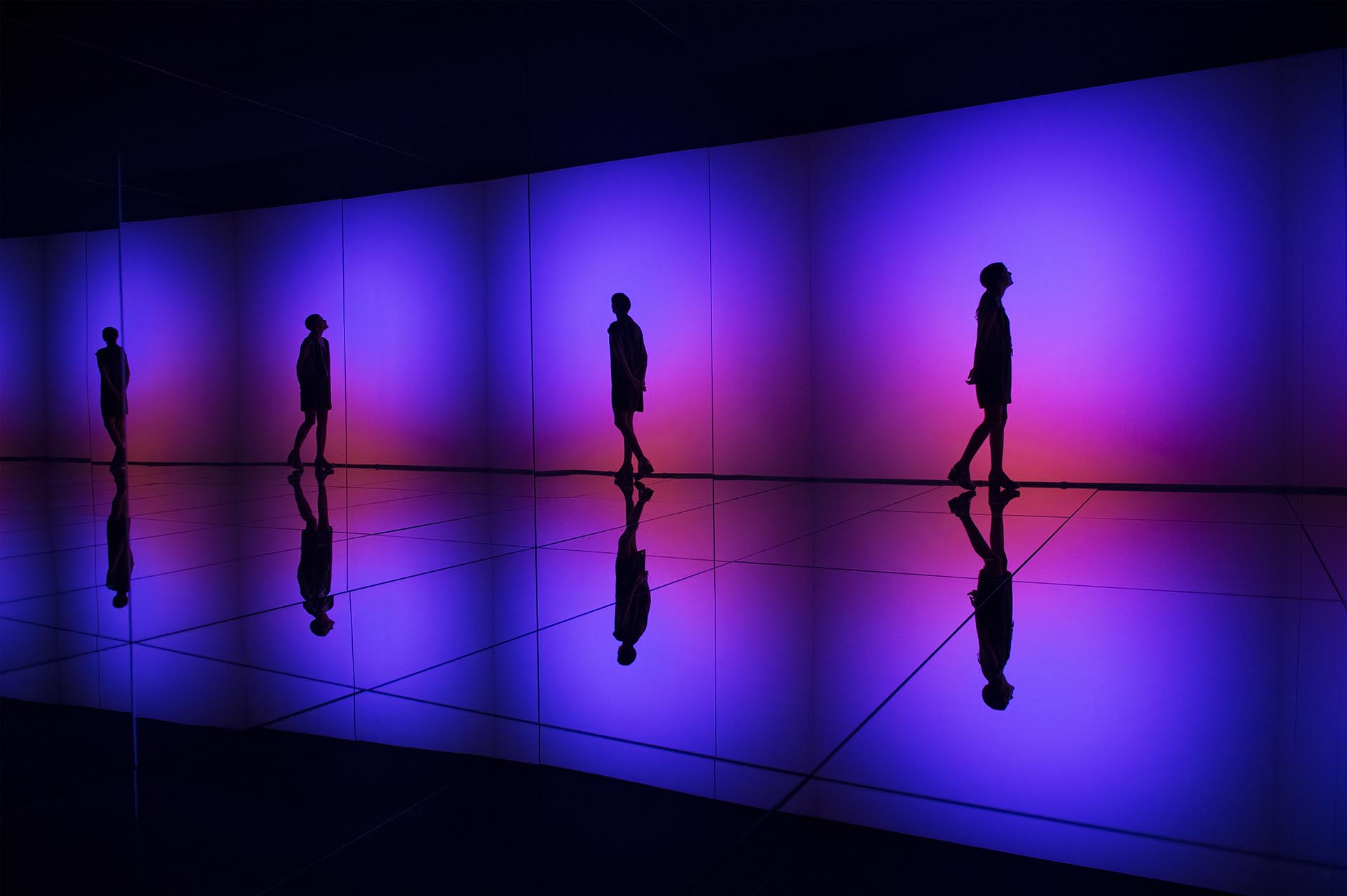
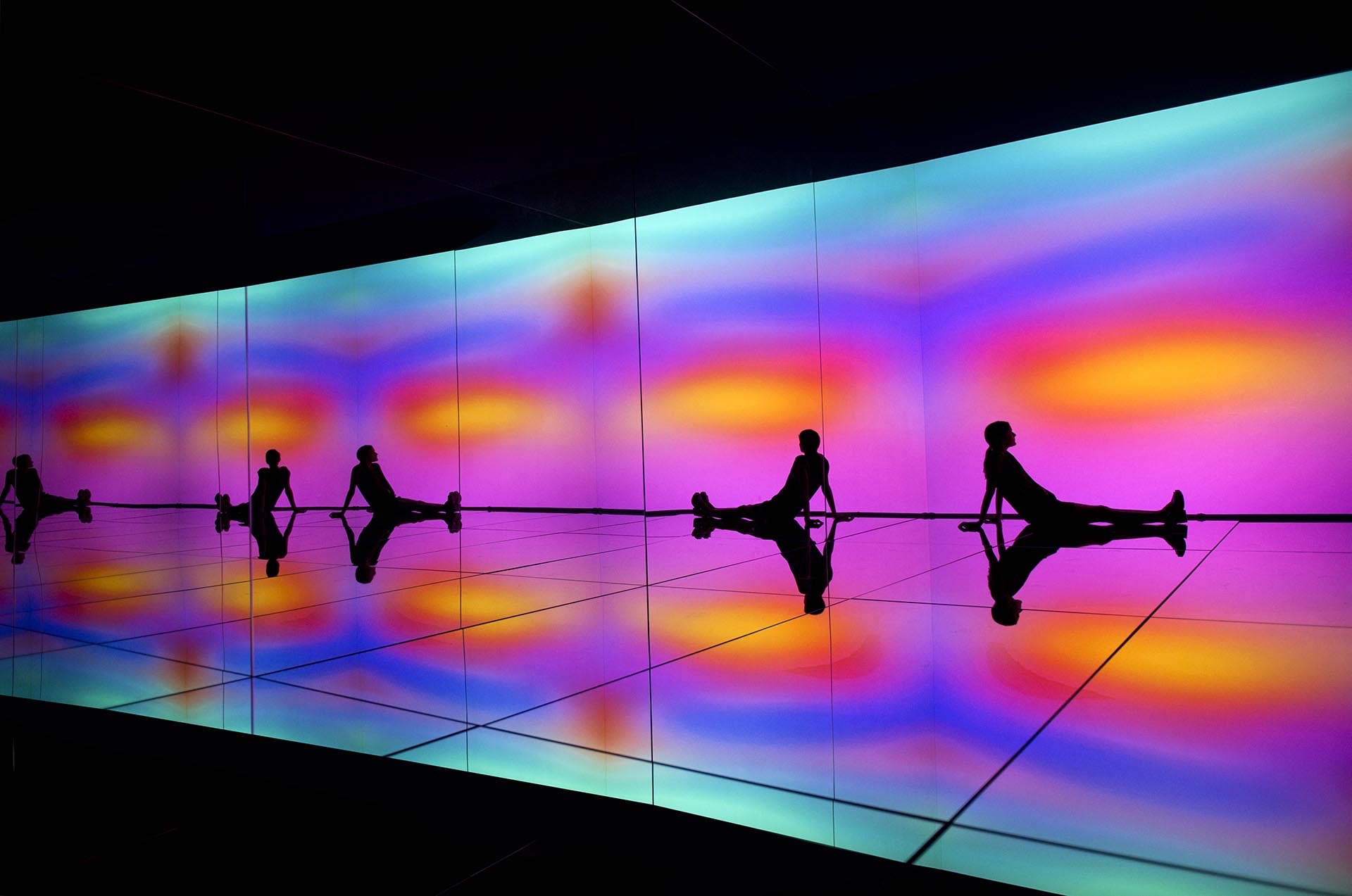
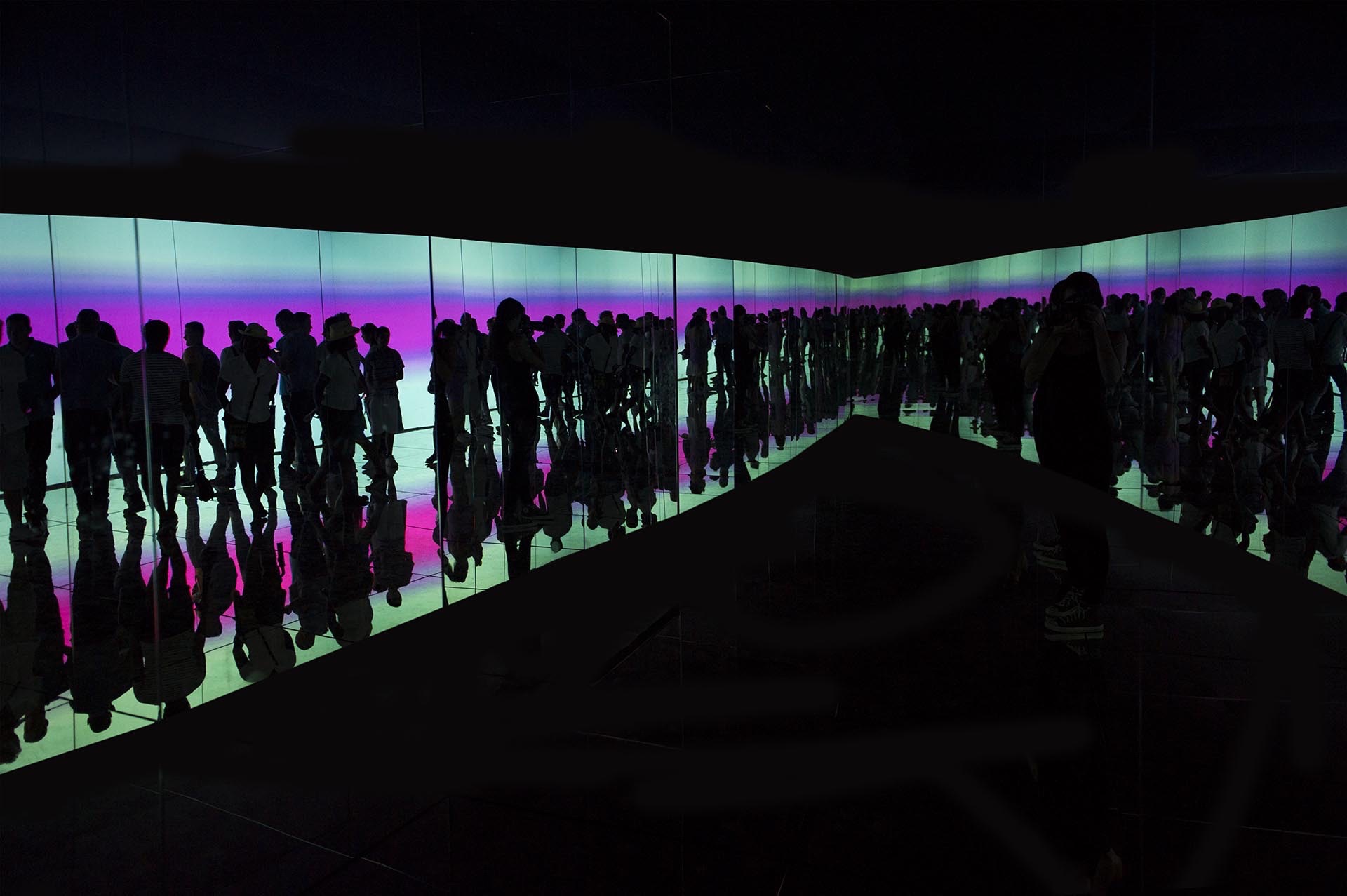
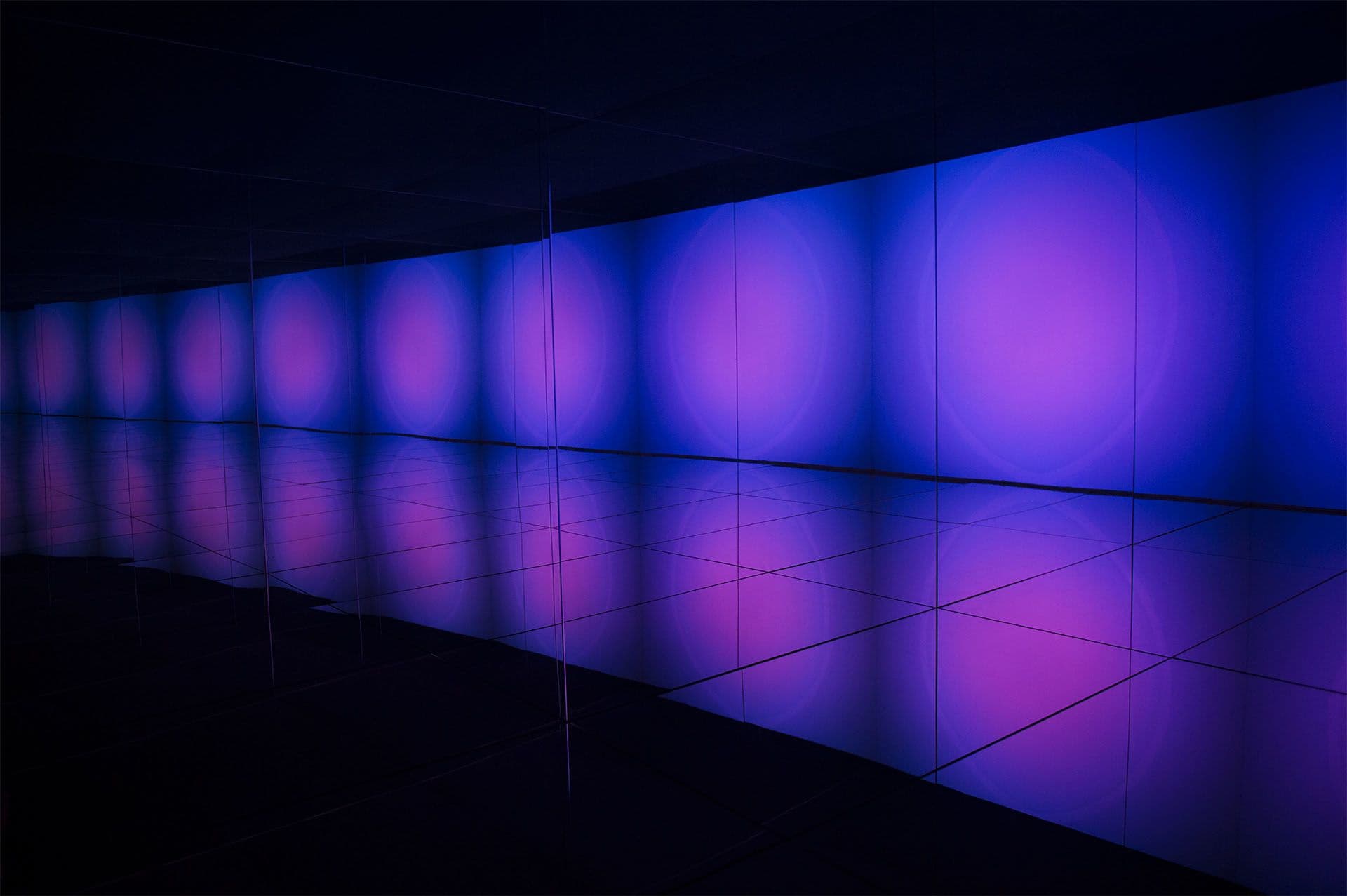
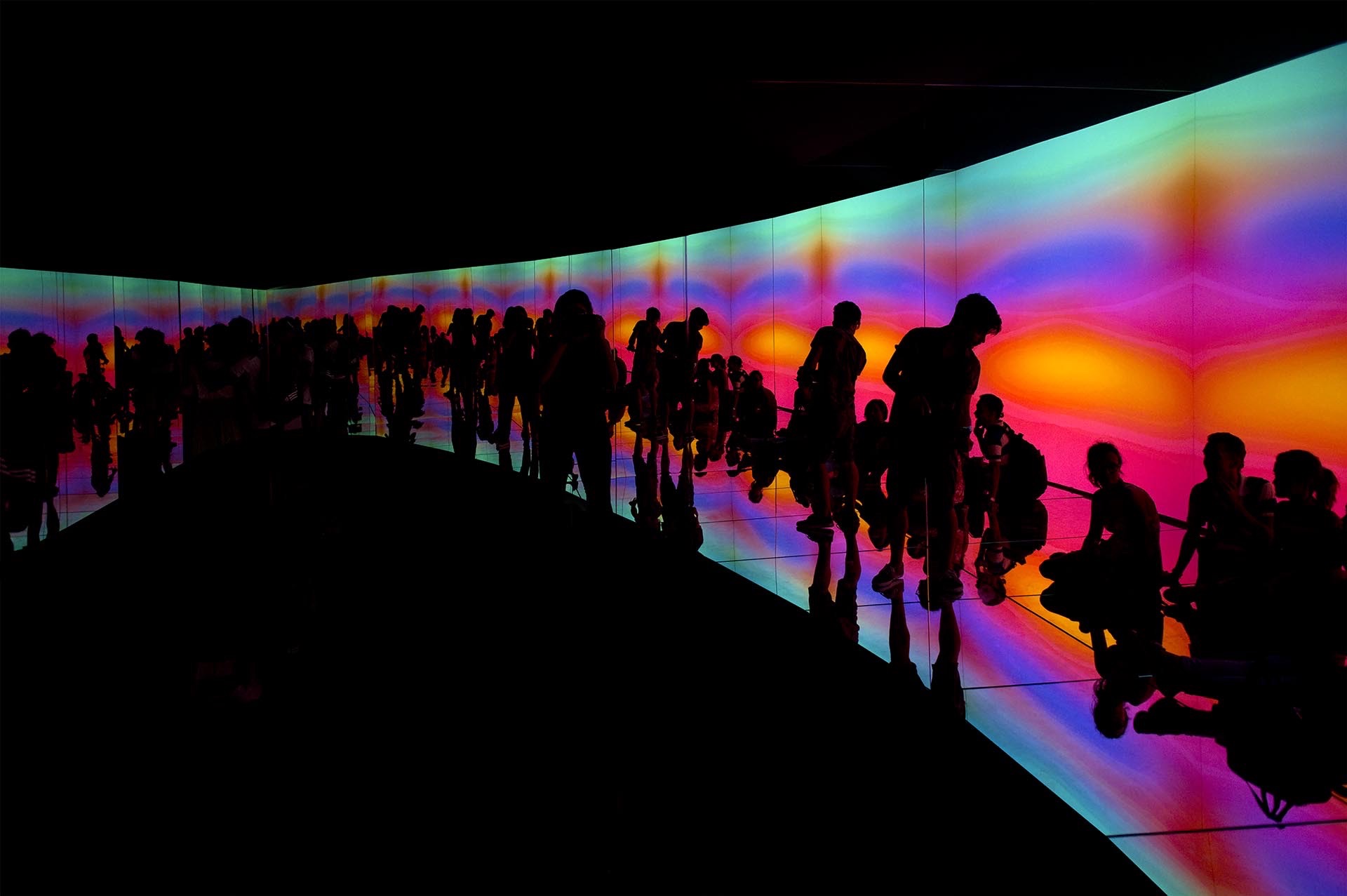
At the heart of immersive contemporary art, Rachel Valdés presents Composición Infinita, a three-dimensional installation that challenges human perception and transforms physical space into a sensory field in constant mutation. With imposing dimensions (8m x 4m x 3m) and a structure composed of laminated safety mirrors, stainless steel, Dibond, polycarbonate, a sound system, and projection, this work represents an exquisite synthesis of technology, art, and neuroscience. Light as sculptural material in Composición Infinita, light ceases to be a mere visual resource and becomes a living material, shaped by the optical and physical principles of color.
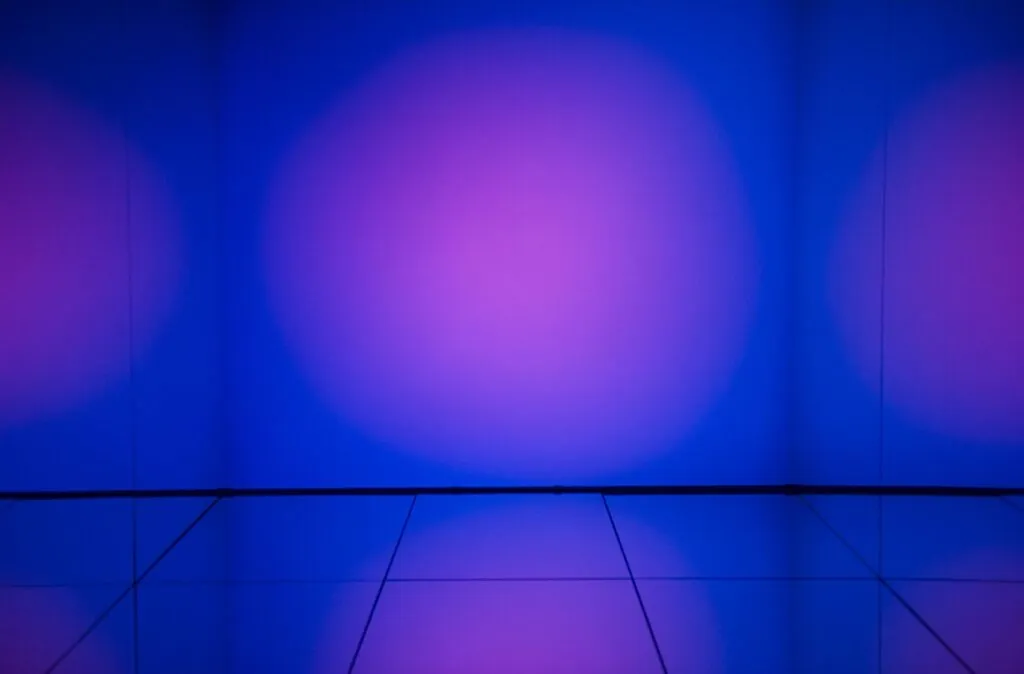
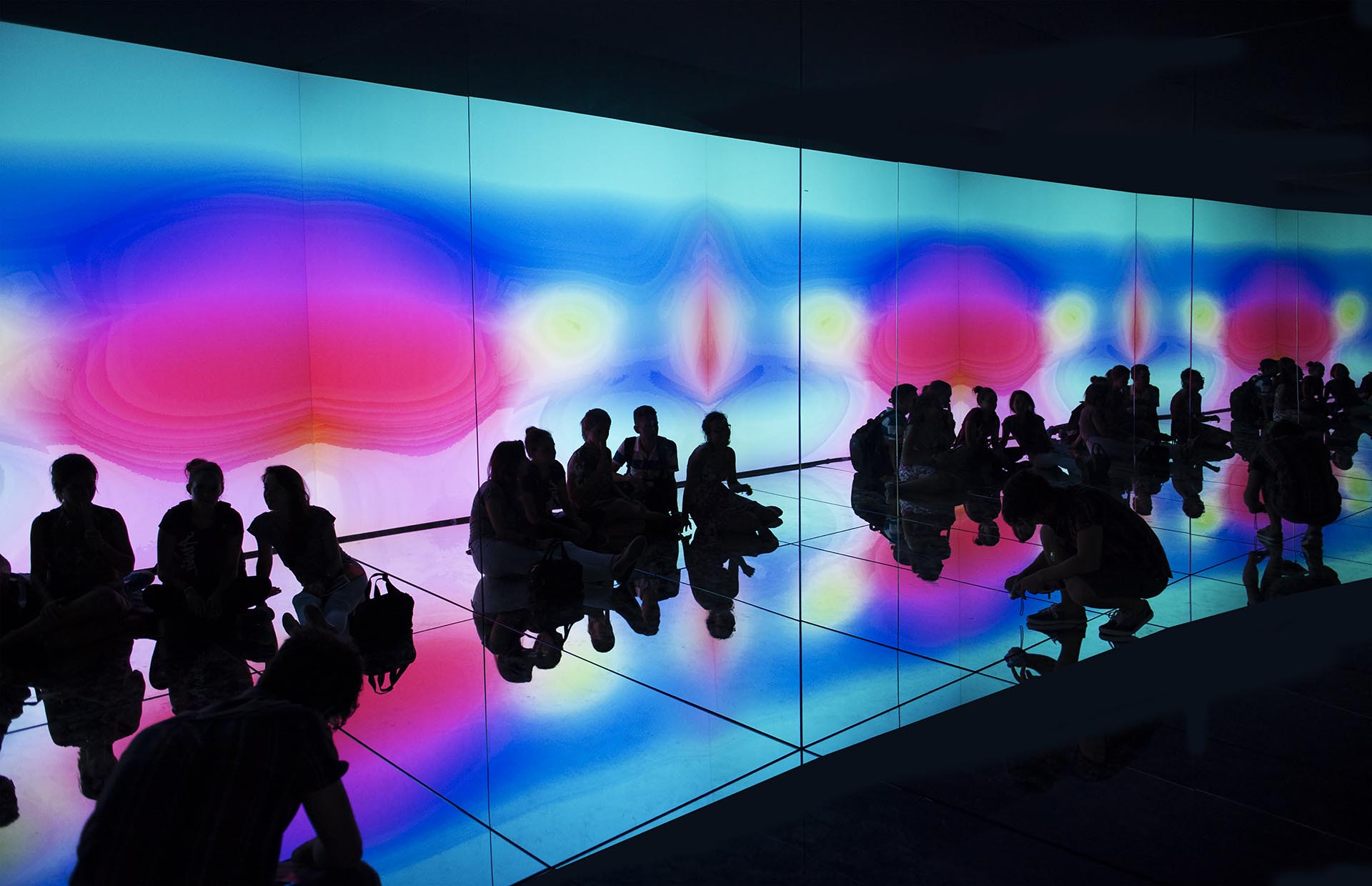
Valdés presents an installation that explores the decomposition of visible light into its spectral components, generating a dynamic experience in which the wavelengths, as they strike the mirrors and surfaces of the environment, produce chromatic sensations that vary depending on the viewer’s position. This phenomenon transforms the installation into a reactive environment, where the visitor ceases to be a passive observer and becomes an active participant in the perceptual system. The space, covered with reflective surfaces, generates a multiplicity of reflections and visual layers that fragment the linear perception of time and space, giving way to an immersive experience of infinite character.
Induced Synesthesia: When Sound and Color Merge. One of the most sophisticated aspects of the installation is the synchronization between sound and visual stimuli.
This dialogue generates what the artist calls “induced synesthesia,” a cross-perception where music becomes color and color becomes auditory vibration. This synergy between light and sound not only intensifies the immersive sensation but also reinforces the subjectivity of the experience, allowing each viewer to perceive a unique and unrepeatable work. The acoustic system is orchestrated to respond to visual changes, amplifying the volumetric perception of the environment and generating a coherent sensory ecosystem. This hybrid environment between art and technology fosters an expanded perception, where the body becomes an integral receiver of frequencies, waves, and reflections.
From the perspective of cognitive psychology, Composición Infinita distances itself from any linear narrative or didactic instruction, giving rise to an open space that invites contemplation and introspection. The absence of an explicit purpose facilitates multisensory brain activation, affecting areas related to sensory memory, emotion, and the perception of movement and depth. This work achieves genuine interaction with the viewer through the continuous stimulation of their senses. The brain, confronted with unstructured visual and auditory information, begins to reinterpret space from a fluid perspective, breaking rigid patterns of perception and promoting an altered and poetic state of consciousness. Composición Infinita represents a milestone in Rachel Valdés’s career and in the recent history of contemporary immersive art. It is not just a work of art, but an expanded perception system that questions the limits of the body, space, and aesthetic experience. In it, infinity is not a metaphor: it is a lived condition, reflected, amplified by the visual and sound architecture of the environment.
With this installation, Valdés establishes herself as one of the most important figures in contemporary Cuban art and an international reference in the development of sensory art environments. Her work engages with the legacy of James Turrell and Yayoi Kusama, but from her own deeply lyrical voice, with a visual sensibility that explores the sublime through the physicality of light.
Dimensions:
8mt x 4mt x 3mt
Materials:
Laminated safety mirror, stainless steel frame, dibond sheets, polycarbonate, sound system, projection system, polyamide screen